Your Ultimate Overview to Reliable Oilfield Equipment Rental Services
Steering the landscape of oilfield equipment rentals requires an essential understanding of numerous variables that can affect both functional performance and cost-effectiveness. From identifying the ideal kinds of equipment to reviewing the reputation and reliability of rental business, making informed decisions is necessary. Furthermore, considerations around safety and security standards and conformity can not be overlooked, as they play an essential role in guaranteeing both efficiency and legal adherence. As we explore the crucial components of successful rental experiences, it becomes obvious that strategic planning and clear communication are essential-- yet, there are considerable nuances that warrant closer examination.
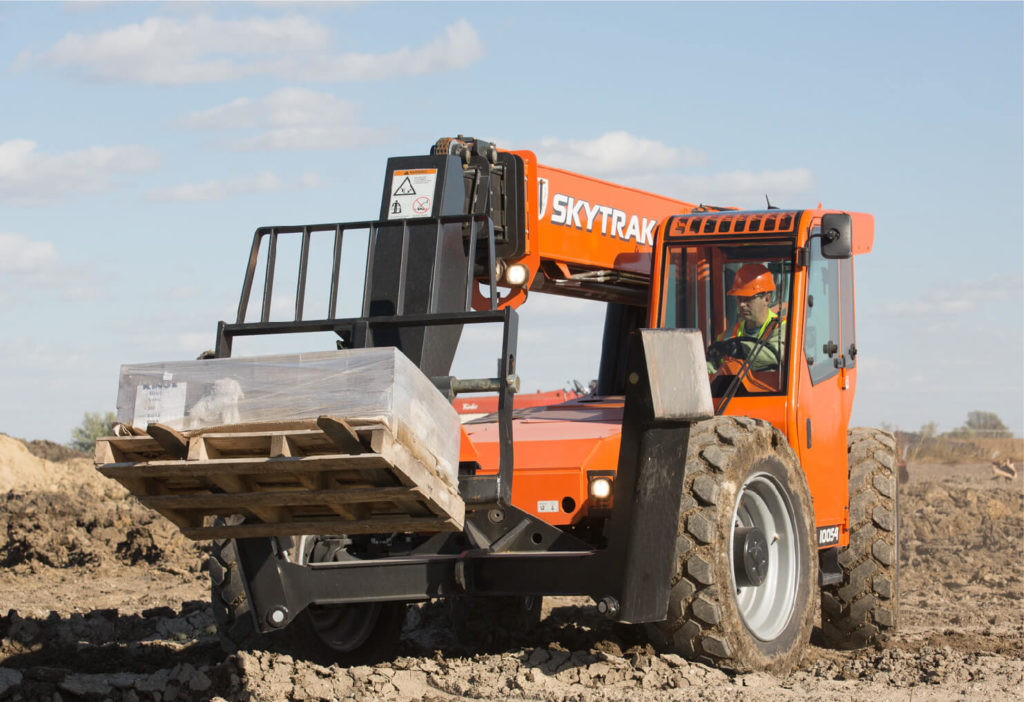
Recognizing Oilfield Equipment Rentals
Oilfield equipment rentals play an important role in the energy industry, providing firms with the needed devices and equipment to effectively implement exploration and manufacturing procedures. This sector is identified by its vibrant nature, where the demand for specific equipment can fluctuate significantly based upon job requirements and market conditions.
Leasing equipment permits firms to keep operational adaptability and price control, as they can access high-grade machinery without the worry of ownership expenses, maintenance, or storage. Generally rented equipment includes boring rigs, mud pumps, compressors, and security equipment, each customized to meet the varied requirements of different tasks.
Additionally, rental solutions commonly include the advantage of technological support and upkeep, guaranteeing that the equipment continues to be in optimal working problem throughout the rental duration. This assistance is important in mitigating dangers connected with equipment failing, which can bring about expensive downtime.
Oilfield equipment rental firms commonly use a variety of options, suiting both temporary and lasting tasks. This adaptability is crucial for companies aiming to scale operations or react promptly to altering market needs. On the whole, recognizing oilfield equipment rentals is essential for improving operational efficiency in the energy industry.
Trick Aspects to Take Into Consideration
When reviewing oilfield equipment rental services, numerous crucial aspects must be meticulously considered to safeguard ideal results for jobs (Texas Oilfield Equipment Rental Excellence). Initially, examine the array and quality of equipment available. A respectable rental solution must offer properly maintained, industry-standard equipment that fulfills specific task demands
Next off, examine the rental business's online reputation and reliability. Research study customer reviews and testimonials to gauge the level of solution provided, consisting of prompt distribution and responsiveness to questions. In addition, take into consideration the company's experience in the sector; seasoned suppliers are often much better geared up to understand and fulfill special customer demands.
Expense is an additional essential factor. While affordability is very important, it must not come at the expense of top quality. Compare quotes from different providers and ascertain that all possible surprise prices are clear.
Sorts Of Oilfield Equipment
A detailed understanding of the numerous types of equipment available for leasing is fundamental for enhancing oilfield operations. Oilfield equipment can be categorized into several essential kinds, each offering a specific function in the expedition, extraction, and transport of hydrocarbons.
Exploration equipment, such as drill gears, mud pumps, and covering devices, is crucial for the boring stage. These devices facilitate the production of wells and ensure the stability of wellbore structures. Pipeline Equipment Rental Authority. Conclusion equipment consists of devices like wellheads, packers, and tubes, which are essential for preparing a well for manufacturing
Production equipment encompasses separators, compressors, and tank, playing an essential duty in processing and keeping extracted oil and gas. Additionally, transport equipment, including pipes and tankers, is needed for the effective movement of products to refineries.
Support equipment, such as generators, water treatment systems, and safety gear, is additionally crucial for preserving operational efficiency and safety on-site. Comprehending these groups and their functions aids in picking the appropriate equipment to satisfy certain operational requirements, eventually enhancing productivity and safety and security in oilfield activities.
Reviewing Rental Business
Picking the best rental firm for oilfield equipment is vital to the success of procedures, as it can directly impact effectiveness and expenses. When examining prospective rental companies, numerous essential factors should be considered. Initially, examine the firm's track record within the market. Seek consumer reviews, reviews, and study that highlight their dependability and service high quality.
Next, review the variety and condition of equipment supplied. A credible rental firm should give well-maintained, updated equipment that fulfills safety and security and functional requirements. Validate they have a varied stock that can accommodate varying project demands.
Furthermore, take into consideration the business's assistance solutions, including upkeep and technological assistance. A responsive support team can considerably minimize downtime during operations. Analyze their shipment and pick-up logistics to verify timely schedule of equipment.
Finally, evaluate the rental conditions to validate they line up with your operational requirements. Clear agreements that lay out obligations, obligations, and service assumptions are essential. By meticulously assessing these elements, you can make an informed decision and pick a rental firm that lines up with your functional goals, eventually boosting the success of your oilfield jobs.
Cost Considerations
Price factors to consider play an important duty in the decision-making procedure for oilfield equipment rentals. Firms should meticulously spending plan for rentals, ensuring they account for potential surprise costs that can arise. Additionally, examining the financial effects of long-lasting versus temporary rentals is vital for enhancing total expenditure.
Budgeting for Rentals
Efficient budgeting for oilfield equipment rentals needs a complete understanding of both direct and indirect expenses connected with the equipment. Direct prices include the rental fees for the equipment itself, which may vary based on the type, model, and duration of the rental duration. Furthermore, it is crucial to take into consideration transportation prices, as relocating equipment to and from the task website can include substantial costs.
Indirect expenses need to also be factored into your spending plan. These may include maintenance fees, insurance policy, and any type of essential training for workers running the equipment. Moreover, show on the possible prices connected to equipment downtime, which can occur from delays in rental accessibility or maintenance issues.
To develop a comprehensive spending plan, gather in-depth quotes from multiple rental solution suppliers to compare prices and solutions. Be sure to represent your job's certain needs, such as the type of equipment needed and the duration of use. Developing a backup fund can likewise be advantageous, as it enables unexpected expenditures that may occur throughout the rental duration. By very carefully assessing these factors, you can create an efficient spending plan that maximizes your financial investment in oilfield equipment rentals.

Hidden Charges Awareness
While budgeting for oilfield equipment rentals, it is crucial to stay watchful regarding potential hidden charges that can considerably affect the overall price. Several rental business may not reveal all costs upfront, resulting in unforeseen economic problems.
Usual covert fees consist of distribution and pick-up costs, which can vary substantially based on the distance to the job website. Additionally, equipment upkeep costs might be applied if the equipment is returned in much less than ideal problem, even if the damages was very little or unintentional. Insurance coverage prices are another facet to reflect on; firms usually require tenants to acquire extra protection, which can inflate the total rental price.
Late return fines can gather quickly, so it is vital to stick to the agreed-upon rental duration. Ask regarding any type of administrative fees that could be added to your billing.
To stay clear of these mistakes, it is important to extensively assess the rental agreement and request a thorough break down of all prospective prices. Midland Pipeline Equipment Rental Authority. Clear interaction with the rental copyright can help guarantee a more clear understanding of the total economic dedication entailed in the rental process
Long-Term vs. Short-Term
When determining between long-lasting and short-term oilfield equipment rentals, it is crucial to very carefully review the financial implications connected with each alternative. Short-term rentals typically deal with tasks with limited periods, supplying adaptability and the capability to rapidly adapt to altering functional requirements. Nevertheless, the expense each day is often higher, which can gather markedly gradually if the rental duration expands past first projections.
In comparison, long-lasting rentals typically use an even more economical service for projects with extensive timelines. The everyday service rates are typically reduced, and numerous service providers might provide additional incentives or discount rates for extended commitments. This can result in considerable financial savings, specifically for drivers preparing for consistent equipment usage over months or years.
Additionally, it is essential to consider maintenance and prospective wear-and-tear costs. Long-term rentals often consist of maintenance bundles, whereas temporary rentals may call for the lessee to bear these costs independently. Eventually, the selection between long-lasting and short-term rentals must straighten with task needs, spending plan restrictions, and future functional plans, making sure that funds are utilized efficiently.
Safety And Security and Compliance Criteria
Safety and compliance criteria are crucial parts in the oilfield equipment rental market, making sure that procedures fulfill regulative demands and market criteria. This discussion will certainly focus on the vital regulative frameworks, the execution of equipment safety and security procedures, and the relevance of qualification and training standards for personnel. Following these standards not only safeguards employees yet additionally boosts operational effectiveness and minimizes risks.
Regulative Demands Introduction
Compliance with regulatory requirements is crucial for assuring the safety and security and integrity of oilfield equipment rental services - Midland Pipeline Equipment Rental Authority. Numerous guidelines govern the operation and maintenance of equipment used in the oil and gas sector, consisting of those stated by the Occupational Safety And Security and Health And Wellness Administration (OSHA), the Epa (EPA), and state-specific governing bodies
These laws mandate that rental business follow rigorous security criteria, guaranteeing that equipment is consistently examined, kept, and accredited for usage. Companies should also comply with ecological laws that attend to waste administration, discharges, and spill avoidance, consequently lessening their eco-friendly footprint.
Furthermore, drivers must ensure that all personnel associated with the equipment handling are properly educated and accustomed to safety procedures and emergency situation procedures. Paperwork of compliance is important; preserving accurate records can protect companies from legal obligations and enhance their credibility within the market.
Equipment Safety And Security Protocols
Making sure the proper implementation of equipment safety methods is important for maintaining operational stability in oilfield equipment rental services. check these guys out These protocols work as a detailed framework developed to reduce threats connected with equipment use, thereby advertising a risk-free workplace for employees and maximizing equipment life-span.

Most importantly, it is critical to establish clear safety guidelines that abide by industry criteria and neighborhood laws. This consists of regular assessments and upkeep of rental equipment to determine prospective dangers before they lead to crashes. Furthermore, making use of appropriate individual protective equipment (PPE) must be mandated for all personnel entailed in equipment operation and handling.
Moreover, it is important to implement strict treatments for equipment transportation, setup, and procedure. This incorporates correct lots safeguarding throughout transportation, cautious installment practices, and adherence to operational restrictions specified by producers.
Recording all safety protocols and guaranteeing they are quickly obtainable to all individuals cultivates a society of security recognition. Routine safety and security audits and responses loopholes can help improve these procedures, guaranteeing continuous improvement and conformity with advancing security criteria. By prioritizing equipment safety and security protocols, oilfield equipment rental solutions can meaningfully minimize the chance of incidents and promote a much safer operational landscape.
Qualification and Training Standards
Certification and training requirements play a vital function in the oilfield equipment rental services industry, establishing a structure for risk-free and reliable procedures. These requirements guarantee that workers are equipped with the necessary skills and understanding to run complicated equipment and stick to security methods. Firms must abide by both local and international guidelines, such as those stated by the Occupational Safety And Security and Health Management (OSHA) and the American Petroleum Institute (API)
Educating programs should encompass an extensive educational program that consists of equipment procedure, emergency situation response procedures, and threat acknowledgment. Normal analyses and accreditations not only validate the proficiency of the labor force however additionally enhance the overall safety society within the market.
Firms that focus on accreditation and training criteria promote depend on with customers, as they show a dedication to safety and security and conformity. This is particularly essential in high-risk settings like oilfields, where the effects of carelessness can be disastrous.
Inevitably, sticking to strenuous certification and training criteria is not simply a regulatory demand; it is a vital financial investment in the sustainability and track record of oilfield equipment rental solutions, assuring that operations are conducted sensibly and properly.
Tips for an Effective Rental Experience
Maneuvering the world of oilfield equipment rental services can be frightening, yet with the appropriate strategy, you can assure a smooth and effective experience. Begin by clearly specifying your job demands, including the sort of equipment needed, the period of the service, and any type of particular features important for your procedures. This clarity will certainly help with reliable interaction with rental providers.
Next off, perform comprehensive research on possible rental business. Try to find market reputation, customer reviews, and their conformity with safety and qualification criteria. A trustworthy rental solution will not only give high quality equipment but additionally offer support and support throughout the rental period.
Before finalizing the rental agreement, validate you extensively recognize the terms, including maintenance duties, insurance coverage, and any kind of prospective covert costs. A proper evaluation of the equipment prior to approval is necessary; confirm that it is in good functioning condition and fulfills safety and security regulations.
Last but not least, maintain open communication with the rental solution while using the equipment. Immediately resolve any issues or concerns that emerge, validating you optimize your rental experience while reducing operational interruptions. By adhering to these pointers, you can browse the rental procedure with confidence and performance.
Frequently Asked Concerns
What Are the Common Rental Periods for Oilfield Equipment?
Typical leasing periods for oilfield equipment can vary substantially based on task demands and equipment type. Usually, rental agreements vary from short-term rentals, lasting a few days to numerous weeks, to long-term rentals, which can prolong from several months to even years. The period is often influenced by variables such as job extent, budget restraints, and equipment schedule, making it crucial for operators to analyze their requirements thoroughly prior to settling rental contracts.
Can I Rental Fee Equipment for Short-Term Projects?
Yes, it is without a doubt possible to lease equipment for temporary projects in the oilfield sector. Numerous rental business provide adaptable leasing options that deal with differing job durations, consisting of everyday, regular, or month-to-month rentals. This adaptability permits operators to access the required equipment without the problem of long-lasting commitments, guaranteeing that they can adapt to specific job needs efficiently and cost-effectively. Constantly confirm the rental terms and accessibility with the copyright to satisfy job timelines.
Exactly How Is Equipment Upkeep Handled Throughout Rentals?
Equipment upkeep throughout rentals is usually the responsibility of the rental firm. Credible companies ensure that all equipment is on a regular basis serviced and evaluated prior to rental to maintain peak performance and safety and security criteria. In the event of any kind of breakdowns throughout the rental period, the provider usually offers support and substitute solutions to decrease downtime. Clients ought to review maintenance plans and treatments detailed in the rental contract to fully understand their obligations and the business's obligations.
Are There Added Costs for Delivery and Pick-Up?
When leasing equipment, extra charges for distribution and pick-up are generally experienced. These charges vary relying on elements such as distance, equipment size, and rental duration. It is important to clear up these costs with the rental supplier beforehand to stay clear of unforeseen fees. Some business may use comprehensive pricing that covers distribution and pick-up, while others might bill separately, making it critical for customers to assess the rental contract completely for openness.
What Takes Place if Equipment Breaks Down Throughout the Rental?
In the occasion of equipment failure throughout the rental duration, the duty usually falls on the rental firm, depending on the terms of the arrangement. Many rental contracts include provisions that outline treatments for reporting concerns, fixing timelines, and responsibility. It is recommended to quickly notify the rental provider to promote timely fixings or equipment replacements, ensuring marginal disturbance to operations. Professional Oilfield Rental Services. Understanding these terms beforehand is necessary for efficient monitoring of rental equipment
Comments on “Professional Oilfield Rental Services and modern equipment: how they drive innovation”